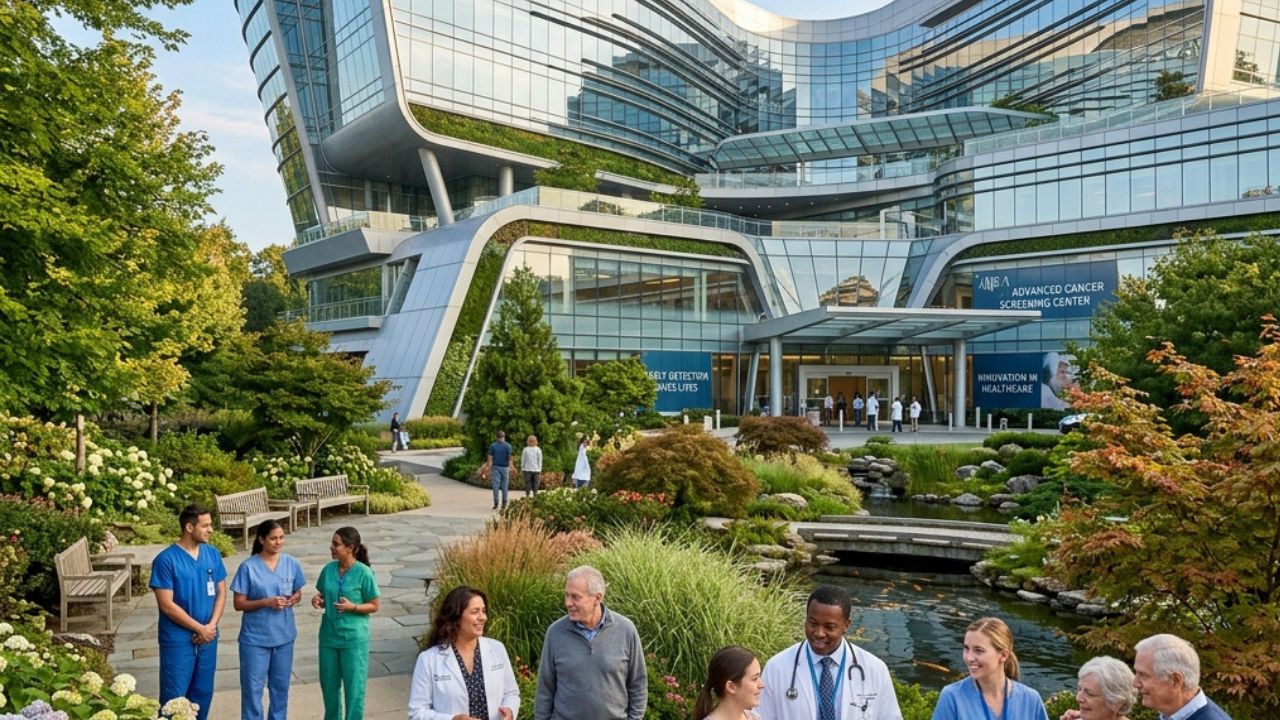
Cancer remains one of the most formidable health challenges we face, but the tools we use to fight it are rapidly evolving. Early detection drastically improves survival rates and opens the door to less invasive, more effective treatments. Catching cancer in its infancy often means the difference between a simple outpatient procedure and a complex, prolonged battle.
For decades, standard screenings like mammograms and colonoscopies were the primary defense. Now, medical science has pushed the boundaries of what is possible. Advanced screening technologies can identify tumors before physical symptoms appear, sometimes even before a mass has formed. By analyzing DNA fragments in the blood or using artificial intelligence to spot microscopic anomalies in imaging, doctors are catching cancer earlier than ever before.
Navigating the healthcare system to find these cutting-edge tools can be overwhelming. Not all medical facilities have the resources or expertise to offer the latest diagnostic breakthroughs. Identifying institutions that prioritize innovation and possess the specialized staff to interpret complex results is critical for anyone managing a high risk of cancer.
This guide highlights the top hospitals in the United States for advanced cancer screening. We will explore the specific technologies changing the diagnostic landscape, explain the criteria used to identify premier institutions, and help you understand what to look for when choosing a facility for your own preventive care.
Understanding Advanced Cancer Screening Technologies
Medical science has moved far beyond basic x-rays and blood counts. Today’s premier hospitals rely on a sophisticated suite of diagnostic tools designed to find cancer at the cellular or molecular level.
Liquid Biopsies
A liquid biopsy is a groundbreaking blood test that detects circulating tumor cells or fragments of tumor DNA shed into the bloodstream. Instead of requiring an invasive surgical biopsy to test tissue, doctors can draw a small sample of blood to identify the presence of cancer. This method is particularly useful for detecting cancers hidden deep within the body and for monitoring how well a patient is responding to a specific treatment.
AI-Powered Diagnostics
Artificial intelligence is transforming radiology and pathology. AI algorithms are trained on millions of medical images, allowing them to spot tiny irregularities that even the most experienced human eye might miss. These programs assist radiologists in analyzing mammograms, CT scans, and MRIs, reducing false positives and identifying potential malignancies at an incredibly early stage.
Advanced Imaging (PET/CT, MRI)
Modern imaging goes beyond anatomical pictures to show how tissues are functioning. Positron Emission Tomography (PET) combined with Computed Tomography (CT) scans can reveal cellular metabolism. Since cancer cells often consume energy at a higher rate than healthy cells, they light up on a PET scan. Advanced Magnetic Resonance Imaging (MRI) offers incredibly detailed, high-resolution views of soft tissues, making it an essential tool for screening the brain, breasts, and prostate.
Genetic Testing and Personalized Screening
Understanding your genetic blueprint helps doctors predict your specific cancer risks. Tests looking for mutations like BRCA1 and BRCA2 can indicate a high likelihood of developing breast or ovarian cancer. Armed with this knowledge, physicians can design a personalized screening schedule. This might involve starting MRIs at a younger age or increasing the frequency of certain tests, ensuring that any potential cancer is caught immediately.
Criteria for Selecting the Top Hospitals
Not every medical center is equipped to deliver this level of diagnostic care. When identifying the best hospitals for advanced cancer screening, several crucial factors set the elite institutions apart.
Accreditations and Certifications
The gold standard for a cancer center in the United States is designation by the National Cancer Institute (NCI). An NCI-designated Comprehensive Cancer Center has demonstrated deep expertise in laboratory, clinical, and behavioral research. These facilities must continually prove their ability to translate scientific discoveries into real-world patient care.
Research and Clinical Trials
The best hospitals do not just use advanced technology; they invent it. Institutions with robust research programs and active clinical trials give patients access to screening methods years before they become widely available. Being at a research-heavy hospital means your diagnostic team is deeply familiar with the absolute latest advancements in oncology.
Multidisciplinary Approach
Cancer screening is rarely a solo endeavor. Elite hospitals utilize tumor boards and multidisciplinary teams. Radiologists, genetic counselors, oncologists, and pathologists sit in the same room to discuss a patient’s results. This collaborative environment ensures that every piece of data is analyzed from multiple medical perspectives, resulting in a highly accurate diagnosis.
Patient Outcomes and Survival Rates
Data matters. The top-ranked hospitals consistently report higher survival rates and better overall patient outcomes. While survival rates are heavily influenced by the type and stage of cancer treated, facilities that excel in early detection inherently report better long-term results because their patients begin treatment when the disease is most vulnerable.
Technology Infrastructure and Innovation
A hospital is only as good as the tools it provides its staff. The best institutions invest hundreds of millions of dollars into maintaining state-of-the-art diagnostic equipment. From the newest generation of MRI machines to highly secure genomic sequencing laboratories, a superior technology infrastructure is non-negotiable for advanced screening.
Top Hospitals for Advanced Cancer Screening in the USA
Based on the criteria above, several institutions consistently rank at the top for oncology and diagnostic excellence.
MD Anderson Cancer Center (Houston, Texas)
The University of Texas MD Anderson Cancer Center is widely regarded as one of the premier cancer treatment and research facilities in the world. Its sole focus on cancer allows it to dedicate unparalleled resources to early detection.
The hospital offers highly specialized screening programs, including an advanced Clinical Cancer Genetics program that provides personalized risk assessments. MD Anderson is a pioneer in liquid biopsy research and actively incorporates AI into its imaging analysis. Their notable achievements include developing new screening protocols for lung and ovarian cancers.
Patient care here is highly individualized. From the moment you arrive, you are assigned a care team that focuses not only on diagnostics but also on psychological support and genetic counseling for your broader family.
Memorial Sloan Kettering Cancer Center (New York, New York)
Memorial Sloan Kettering (MSK) has been at the forefront of cancer care for over a century. Located in Manhattan, MSK combines deep clinical expertise with aggressive technological innovation.
MSK offers the MSK-IMPACT test, a revolutionary tumor-sequencing test that looks for mutations in hundreds of genes associated with cancer. They also run highly advanced screening clinics for people with hereditary cancer syndromes. MSK researchers frequently publish practice-changing studies on early detection, particularly regarding prostate and breast cancers.
The patient experience at MSK emphasizes comprehensive support. Their specialized high-risk screening clinics ensure that patients with genetic predispositions are monitored closely by top-tier specialists, providing peace of mind through rigorous, proactive care.
Mayo Clinic (Rochester, Minnesota)
The Mayo Clinic is famous for its collaborative approach to medicine. While it has campuses in Arizona and Florida, the Rochester facility is the historic hub of its medical innovation.
Mayo Clinic utilizes some of the most advanced imaging technology on the planet, including cutting-edge PET/MRI hybrid scanners. They also have a massive biobank that fuels their personalized medicine initiatives, allowing them to tailor screening recommendations to individual genetic profiles. Mayo researchers have made significant strides in detecting pancreatic and liver cancers at earlier stages.
Patient-centered care is the defining characteristic of the Mayo Clinic. Their model ensures that you can undergo multiple advanced screenings and consult with different specialists in a matter of days, rather than spreading appointments over several months.
Dana-Farber Cancer Institute (Boston, Massachusetts)
Affiliated with Harvard Medical School, the Dana-Farber Cancer Institute is an academic and clinical powerhouse. It excels in both adult and pediatric oncology and is renowned for its genetic research.
Dana-Farber is home to the Center for Cancer Genetics and Prevention, which specializes in assessing risk and offering advanced screening for individuals with a family history of cancer. They are heavy adopters of AI-assisted radiology and are leading numerous clinical trials testing new blood-based screening tools for multiple cancer types simultaneously.
Care at Dana-Farber is intensely collaborative. Patients benefit from the collective knowledge of Harvard-affiliated researchers and clinicians, ensuring that any screening results are reviewed by some of the brightest minds in oncology.
Cleveland Clinic (Cleveland, Ohio)
The Cleveland Clinic is consistently ranked among the top hospitals across multiple specialties, and its Taussig Cancer Institute is no exception.
The institute offers robust high-risk clinics that utilize advanced genomic testing and state-of-the-art endoscopy for gastrointestinal cancer screening. Cleveland Clinic is also heavily invested in developing new biomarkers for early cancer detection, making significant progress in identifying blood markers for prostate and breast cancer.
Their approach to patient care is highly integrated. They employ patient navigators who guide individuals through the complex process of scheduling, undergoing, and understanding the results of advanced diagnostic tests, ensuring no one feels lost in the medical system.
What to Consider When Choosing a Hospital
Selecting the right hospital for your preventive care involves evaluating several personal and logistical factors.
Personal Health History and Risk Factors
Your specific risks dictate where you should go. If you have a strong family history of a specific cancer, such as breast cancer, look for a hospital with a dedicated high-risk breast clinic and robust genetic counseling services. The more specialized the facility is in your area of risk, the better your screening plan will be.
Insurance Coverage and Cost
Advanced screenings can be expensive, and not all of them are covered by standard health insurance policies. Liquid biopsies and advanced genomic testing often require out-of-pocket payments. Verify what your insurance covers and speak with the hospital’s financial counselors to understand the exact costs before scheduling any procedures.
Location and Accessibility
While it might be tempting to travel across the country to a top-tier hospital, accessibility is a major factor. Cancer screening is an ongoing process, not a one-time event. High-risk individuals require annual or biannual visits. Choose a facility that you can travel to reliably without causing undue stress or financial hardship.
Second Opinions and Consultations
Never hesitate to seek a second opinion, especially regarding complex genetic testing results or ambiguous imaging scans. The best hospitals encourage this practice. If you receive a concerning result locally, you can take your scans and bloodwork to an NCI-designated center for an expert review.
Preparing for Your Advanced Cancer Screening
Walking into a major cancer center for testing can cause anxiety. Being prepared helps you advocate for your health and ensures you get the most out of your visit.
Questions to Ask Your Doctor
Before undergoing any advanced test, clear communication is vital. Ask your physician:
- What specific markers or abnormalities is this test looking for?
- What is the rate of false positives or false negatives for this specific technology?
- How will the results of this test change my overall health plan?
- Are there alternative screening methods we should consider?
Understanding Results
Advanced screening results are rarely a simple “positive” or “negative.” Genomic tests can reveal “variants of unknown significance,” meaning you have a mutation, but science does not yet know if it causes cancer. Work closely with a genetic counselor or a specialized oncologist to interpret your results accurately. Do not try to diagnose yourself using internet search engines.
Follow-Up Care
An advanced screening is the beginning of a healthcare plan. Depending on your results, your doctor will establish a follow-up schedule. This might mean returning for an MRI in six months, adopting specific lifestyle changes, or considering preventive medications. Stick rigidly to this follow-up schedule to ensure continued health.
Taking Charge of Your Diagnostic Health
The landscape of oncology has shifted drastically toward early detection. The technologies available today—from liquid biopsies to AI-driven imaging—give doctors the ability to intercept cancer before it gains a foothold.
Proactive health management is your most powerful weapon. By understanding your genetic risks and seeking out hospitals that possess the infrastructure, research capabilities, and multidisciplinary teams necessary for advanced screening, you take control of your medical future. The premier institutions across the United States are ready to provide this elevated level of care.
The future of cancer screening is bright. As technology becomes more accessible and blood-based tests continue to refine their accuracy, the hope is that advanced screening will become standard practice worldwide. Until then, knowing where to find the best diagnostic care ensures you and your family have the ultimate advantage in disease prevention.