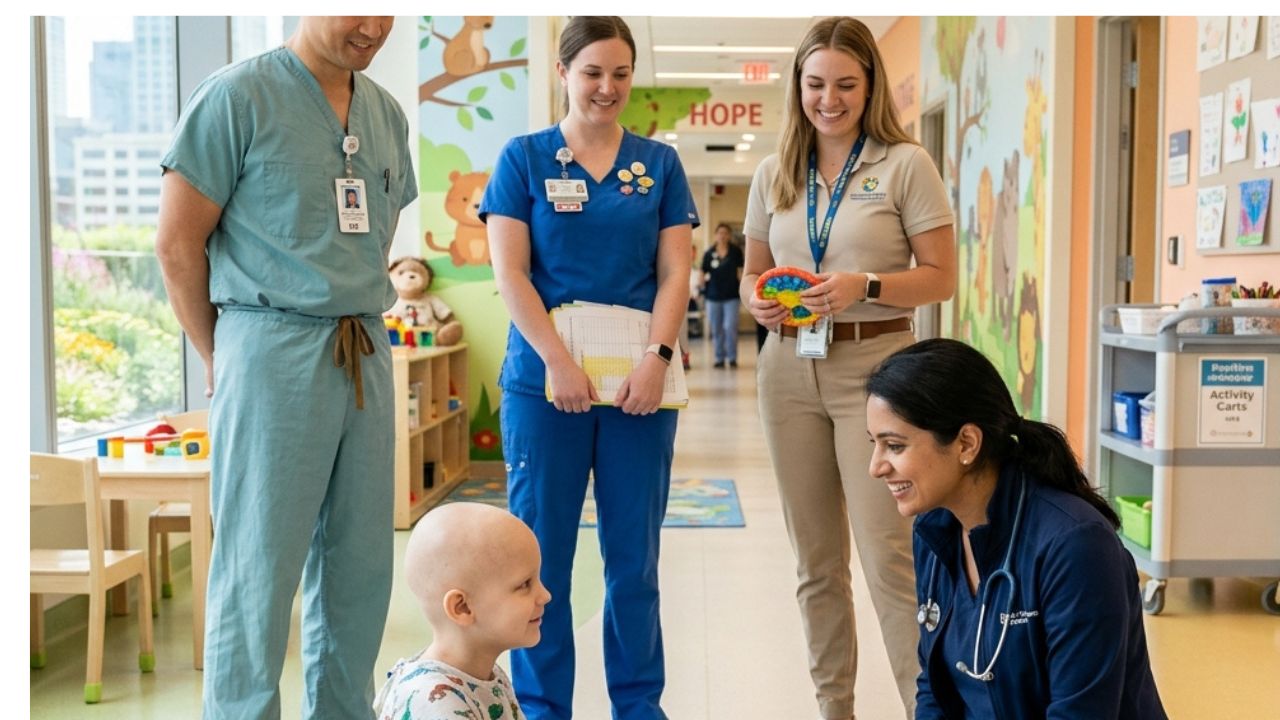
Hearing that your child has cancer is a profound, life-altering moment. The emotional weight of a pediatric cancer diagnosis brings a wave of fear, confusion, and urgency. Parents immediately want to know the next steps, the available options, and most importantly, where their child can receive the highest level of care.
Finding the right medical team is one of the most critical decisions a family will make. The hospital you choose can significantly impact the treatment journey, the support your family receives, and the long-term outcomes for your child. The United States is home to some of the world’s most advanced medical facilities, but navigating the options can feel overwhelming.
This guide highlights the leading hospitals for pediatric cancer treatment across the country. We will outline the criteria that make a treatment center exceptional, the key factors you should consider during your search, and the unique strengths of the nation’s top pediatric oncology institutions.
What Makes a Hospital Top-Tier for Pediatric Oncology?
Not all hospitals are equipped to handle the unique complexities of childhood cancer. Top-tier institutions share several defining characteristics that set them apart from standard medical facilities.
Multidisciplinary Approach
Effective cancer care requires a team. The best hospitals bring together pediatric oncologists, specialized surgeons, radiation oncologists, pathologists, and nurses. They also integrate child life specialists, nutritionists, and physical therapists to ensure the child’s physical and emotional needs are met simultaneously.
Specialized Pediatric Oncology Units
Children are not small adults. Their bodies respond differently to treatments, medications, and stress. Leading hospitals feature dedicated pediatric oncology units designed entirely around the medical and psychological needs of children, creating a safer and more comforting environment.
Access to Clinical Trials and Innovative Therapies
Medicine is constantly advancing. Premier hospitals lead the charge in research, offering patients access to the latest clinical trials, targeted therapies, and experimental treatments that are not available at standard hospitals.
Comprehensive Family Support Services
Cancer affects the entire family. Elite centers provide robust psychosocial support, financial counseling, and educational resources. They often offer on-site schooling, sibling support groups, and housing assistance to ease the immense burden on parents and caregivers.
A Focus on Research and Development
Hospitals tied to major research institutes continuously study the genetic and molecular drivers of childhood cancers. This bench-to-bedside approach means scientific breakthroughs in the lab quickly translate into improved patient care.
Key Factors to Consider When Choosing a Hospital
While knowing the top hospitals is helpful, finding the right fit for your family requires careful consideration of several variables.
Accreditation and Reputation
Look for hospitals designated as Comprehensive Cancer Centers by the National Cancer Institute (NCI). This designation ensures the facility meets rigorous standards for specialized care, multidisciplinary research, and advanced treatments.
Treatment Success Rates
Review the hospital’s specific survival statistics and success rates. It is highly beneficial to ask doctors about their outcomes regarding your child’s specific diagnosis.
Patient Volume and Disease Experience
Experience matters. A hospital that treats a high volume of pediatric cancer patients is generally better equipped to handle rare complications. If your child has a rare subtype of cancer, seek out a center with a dedicated program for that specific illness.
Geographic Location and Accessibility
Frequent appointments, extended stays, and emergency visits are part of the cancer journey. Consider how far the hospital is from your home, your support network, and your workplace. Many top hospitals offer partnerships with local clinics to help manage routine care closer to home.
Insurance and Financial Aid
Cancer treatment is incredibly expensive. Before committing to a hospital, verify your health insurance coverage. Speak directly with the hospital’s financial navigators to understand out-of-pocket costs and explore available financial aid programs or non-profit assistance.
Featured Top Hospitals for Pediatric Cancer Treatment
Several institutions consistently rank at the top for their pediatric oncology programs. Here is a closer look at five of the most renowned centers in the United States.
St. Jude Children’s Research Hospital (Memphis, TN)
St. Jude is recognized globally for its relentless dedication to advancing cures and means of prevention for pediatric catastrophic diseases.
- Key Strengths: The most unique aspect of St. Jude is its financial model. Families never receive a bill for treatment, travel, housing, or food. This allows parents to focus entirely on their child’s recovery.
- Programs and Achievements: St. Jude has helped push the overall childhood cancer survival rate from 20% to more than 80% since it opened. They are leaders in treating brain tumors, leukemia, and solid tumors, and they freely share their research discoveries with doctors worldwide.
Dana-Farber/Boston Children’s Cancer and Blood Disorders Center (Boston, MA)
This institution represents a powerful partnership between two internationally respected medical centers: Dana-Farber Cancer Institute and Boston Children’s Hospital.
- Key Strengths: The center offers an unparalleled integration of deep research and clinical care. They house some of the largest and most specialized programs for rare and complex pediatric cancers.
- Notable Innovations: Dana-Farber/Boston Children’s is a pioneer in stem cell transplantation and gene therapy. They are actively leading breakthroughs in genomic sequencing, allowing doctors to tailor treatments to the specific genetic makeup of a child’s tumor.
Children’s Hospital of Philadelphia (CHOP) – Cancer Center (Philadelphia, PA)
Founded in 1855, CHOP is the nation’s first hospital devoted exclusively to the care of children and boasts one of the most distinguished pediatric oncology programs in the world.
- Key Strengths: CHOP is highly respected for its pioneering work in cellular therapies. They offer extensive family resources, recognizing that parents and siblings need as much emotional support as the patients themselves.
- Programs and Achievements: CHOP made history by developing and administering the first FDA-approved CAR T-cell therapy for relapsed pediatric leukemia. Their immunotherapy programs continue to lead the nation, offering new hope to patients who have exhausted traditional treatment options.
Texas Children’s Cancer and Hematology Center (Houston, TX)
Located within the massive Texas Medical Center, Texas Children’s operates one of the largest pediatric cancer centers in the country.
- Key Strengths: Because of its immense size and high patient volume, Texas Children’s offers an incredibly broad range of sub-specialized services. They treat everything from common leukemias to the rarest bone tumors.
- Global Reach: The hospital has a strong global health initiative, working to improve pediatric cancer care in developing nations. Domestically, their vast network of researchers ensures that patients have access to an enormous portfolio of clinical trials.
Seattle Children’s Hospital – Cancer and Blood Disorders Center (Seattle, WA)
Serving as a major pediatric referral center for the Pacific Northwest, Seattle Children’s is at the forefront of modern oncology.
- Key Strengths: Seattle Children’s is highly regarded for its advanced proton therapy capabilities, which deliver targeted radiation with extreme precision, sparing healthy tissue.
- Programs and Achievements: The hospital excels in personalized medicine and has a dedicated program specifically designed for adolescents and young adults (AYA). This program addresses the unique medical and psychological challenges faced by teenagers fighting cancer.
Taking the Next Step in Your Child’s Care
Choosing a hospital is an intensely personal decision. The institutions listed above represent the pinnacle of pediatric oncology, but many excellent regional hospitals also provide outstanding care.
Start by having an open conversation with your child’s diagnosing physician. Do not hesitate to ask for a referral, seek a second opinion, or contact these top-tier hospitals directly to speak with an intake coordinator. Your child’s medical team, your insurance provider, and dedicated pediatric cancer organizations can all serve as vital resources as you determine the best path forward for your family.